Tender Beef Bone Marrow Recipe | Rich Marrow Bone Broth and Soup
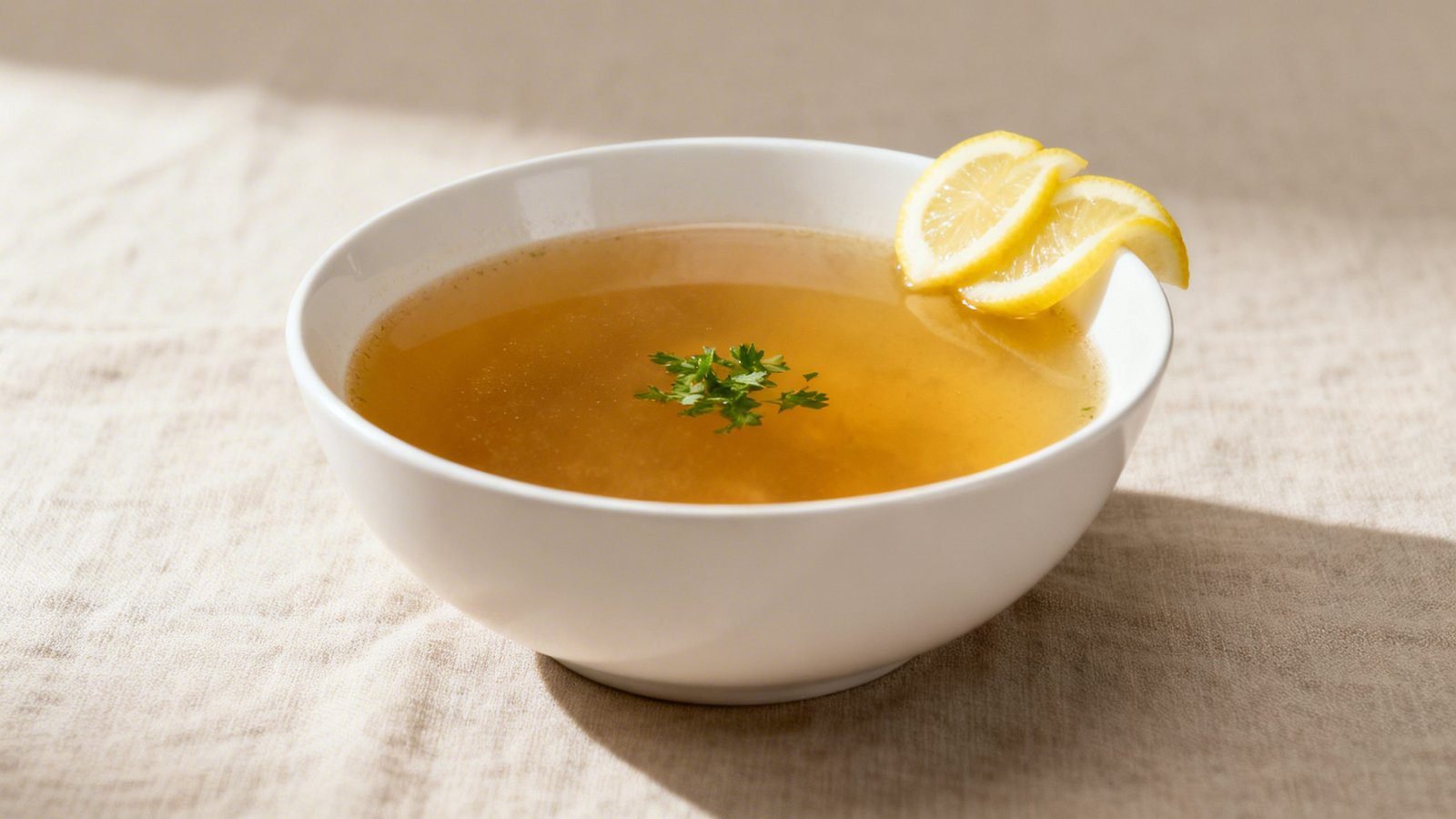
If you crave deep, savory comfort in a bowl, this tender beef bone marrow broth hits every note. You’ll simmer meaty marrow bones low and slow until the fat turns silky, the broth turns rich and golden, and your kitchen smells like a cozy bistro. Ladle it as a simple soup with a squeeze of lemon and a shower of parsley, or use it as a luxurious base for stews and sauces.
I’ll show you how to pick the right beef bones, roast them for extra flavor, and simmer them into a layered, restaurant-quality broth at home. You’ll get clear steps, pro tips, and easy tweaks so you can make it your own—whether you want a sipping broth, a hearty soup with vegetables, or a collagen-rich freezer staple.
Why This Tender Beef Marrow Broth Delivers Big Flavor
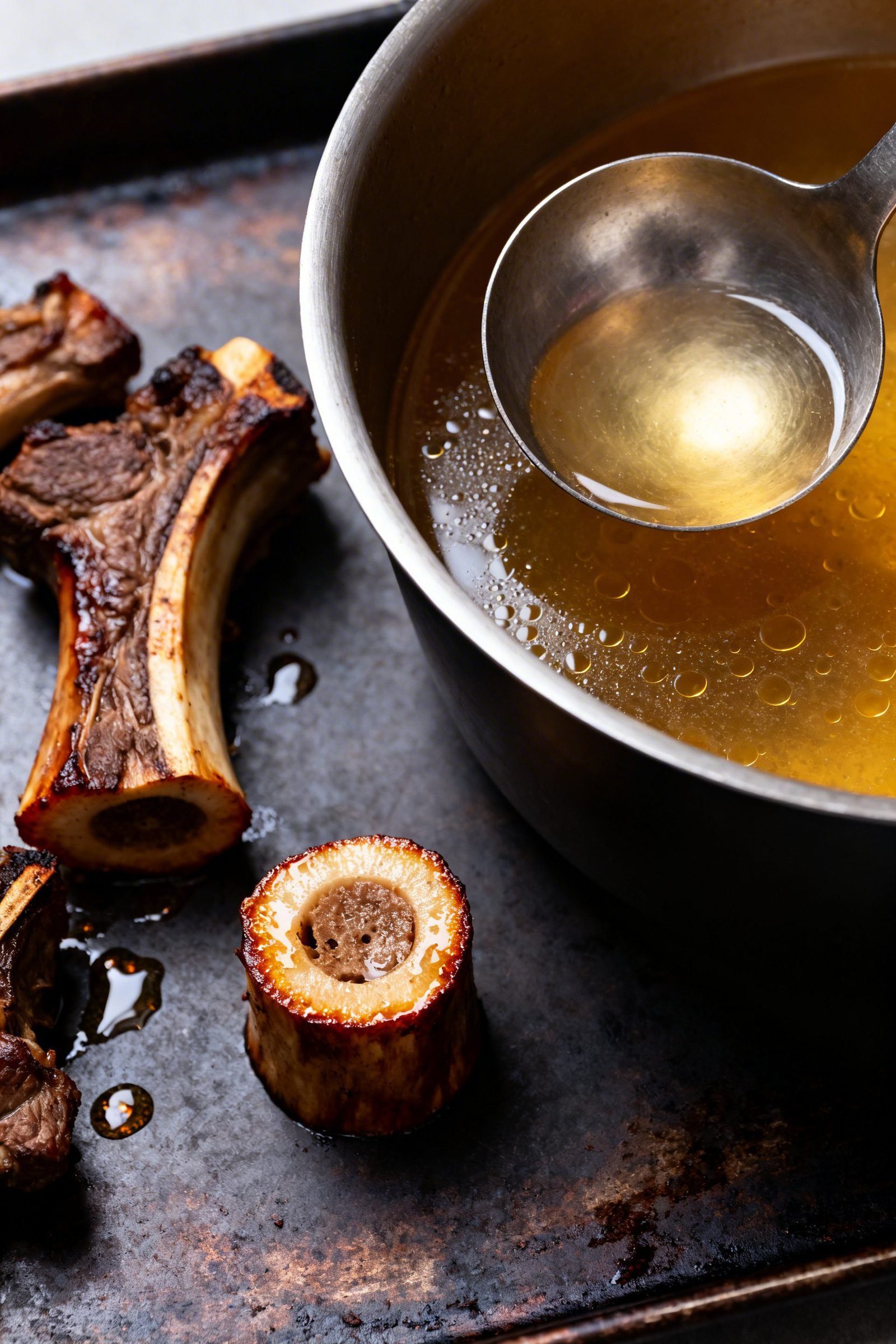
- Roasting builds depth: High-heat roasting browns the bones and draws out complex, caramelized flavors that make the broth taste richer.
- Low-and-slow simmer unlocks collagen: Gentle heat coaxes gelatin from joints and knuckles, giving the broth a silky body and that luscious mouthfeel.
- Right bones, right mix: Combining marrow bones with knuckle or joint bones balances richness and body for a broth that’s both flavorful and full-bodied.
- Clean, bright finish: A splash of apple cider vinegar helps extract minerals, while aromatics and fresh herbs round out the flavor.
- Make once, enjoy many ways: Sip it warm, turn it into a quick soup, or use it as a base for sauces, risottos, and braises.
Ingredients
For the Broth Base
- 4–5 lb beef bones (mix of marrow bones, knuckles, and shank)
- 2 large carrots, cut into chunks
- 2 celery stalks, cut into chunks
- 2 medium onions, halved (leave skins on for color, optional)
- 1 whole garlic bulb, halved crosswise
- 2 tbsp tomato paste
- 2 bay leaves
- 10–12 black peppercorns
- 1–2 tbsp apple cider vinegar
- Handful of fresh parsley stems (or a few thyme sprigs)
- Cold water, enough to cover (about 4–5 quarts)
- Kosher salt, to taste
For Serving (Soup-Style, Optional)
- Cooked noodles, rice, or diced potatoes
- Sliced scallions or fresh parsley
- Lemon wedges
- Red pepper flakes or freshly cracked black pepper
- Toasted crusty bread for spreading roasted marrow
How to Make Rich Beef Marrow Broth at Home
1) Roast the Bones for Maximum Flavor
- Preheat the oven to 425°F (220°C).
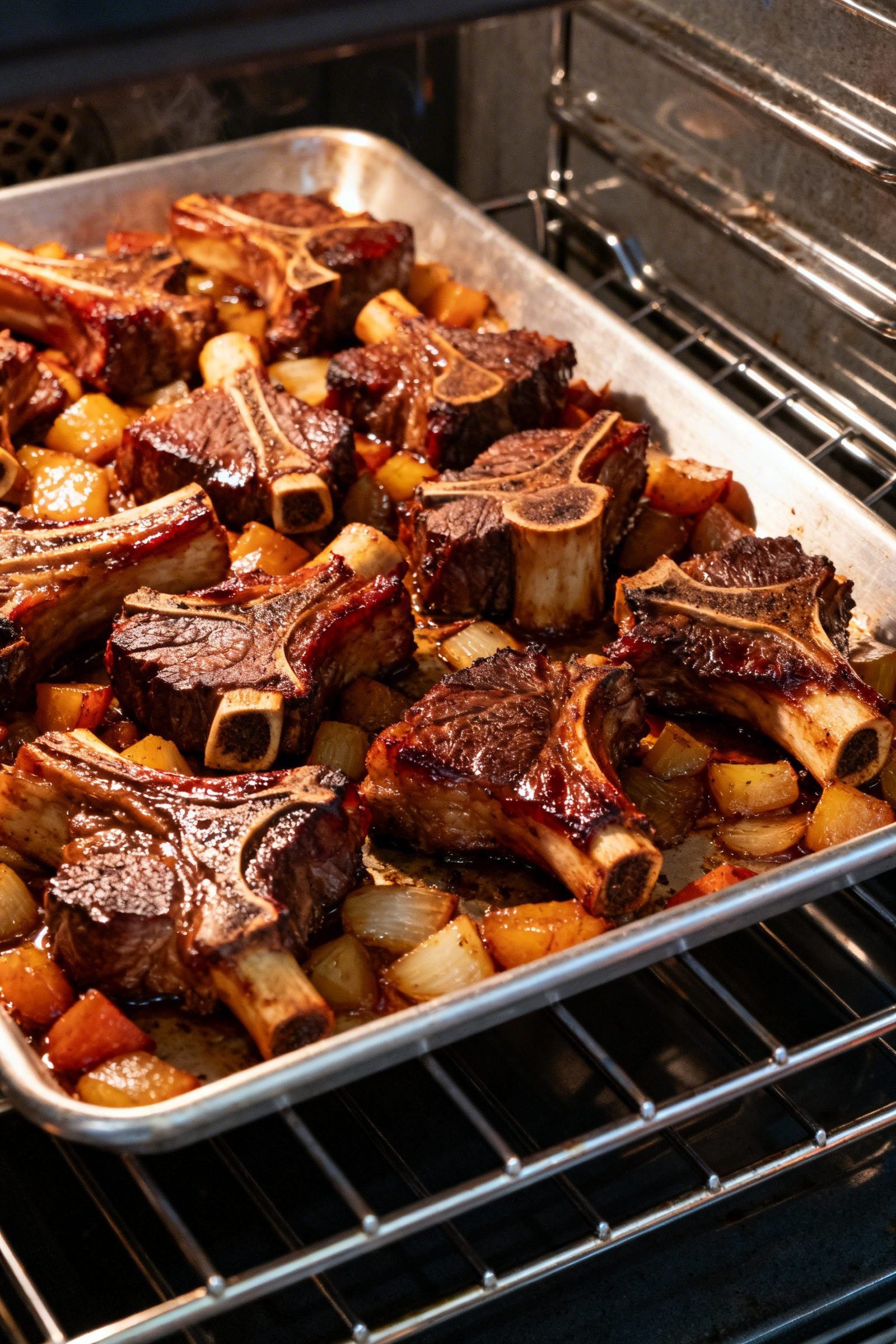
- Spread the bones on a large sheet pan. Add the onions, carrots, and celery. Brush or dab on the tomato paste over a few bones to encourage browning.
- Roast for 35–45 minutes, turning once, until everything looks well-browned with caramelized edges.
2) Deglaze and Transfer
- Move the roasted bones and vegetables to a large stockpot.
- Set the hot pan over medium heat on the stove (or splash with hot water on a heat-safe surface) and deglaze with a cup of water, scraping up the browned bits. Pour this liquid into the pot.
3) Build the Pot
- Add the garlic, bay leaves, peppercorns, parsley stems, and vinegar to the pot.
- Pour in cold water to cover by about 2 inches. Leave room for a gentle simmer without boiling over.
4) Simmer Low and Slow
- Bring to a bare simmer over medium heat, then reduce to low so the surface barely moves. Skim any gray foam for the first 20–30 minutes for a cleaner broth.
- Simmer uncovered for 10–12 hours for a rich, sippable broth. For ultra-gelatinous broth, go up to 18–24 hours, topping with hot water as needed to keep bones submerged.
- Do not let it boil hard. A gentle burble keeps the broth clear and the flavor balanced.
5) Strain and Season
- Use tongs to remove big bones and vegetables. Strain the liquid through a fine-mesh sieve or cheesecloth into a clean pot or large bowl.
- Taste and season with kosher salt. Start light; you can always add more when you reheat.
6) Serve as Broth or Make It a Soup
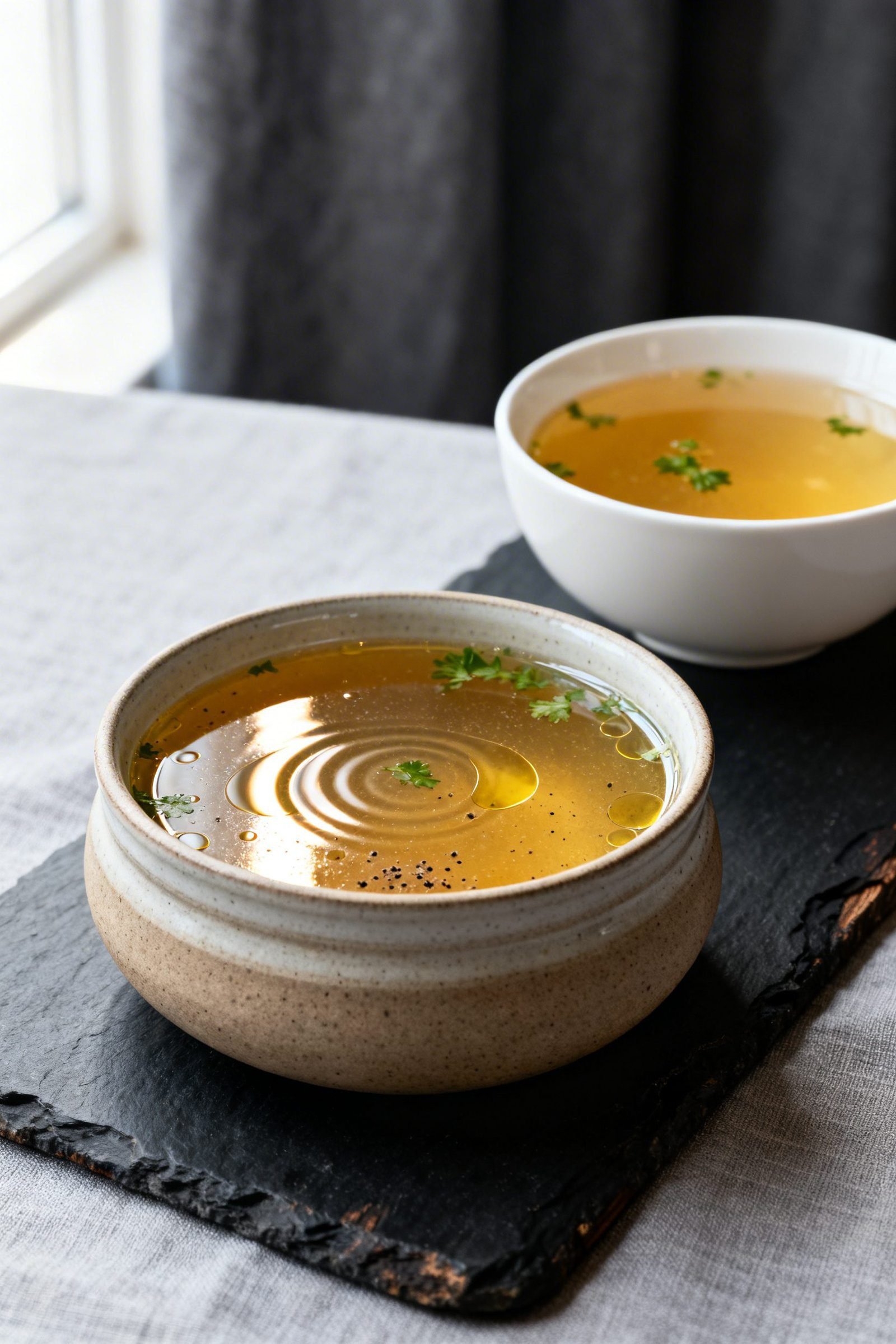
- Sipping broth: Warm a mug, add a squeeze of lemon, and finish with chopped parsley and black pepper.
- Simple soup: Bring broth to a simmer, add cooked noodles, rice, or diced potatoes, and a handful of sliced scallions. Ladle and enjoy.
- Roasted marrow toast: If you saved a few marrow bones, roast them cut-side up at 450°F for 15 minutes until the marrow jiggles. Spread on toast with salt and parsley salad. Pure luxury.
How to Store Your Beef Marrow Broth
- Chill fast: Cool the strained broth in a shallow container, then refrigerate within 2 hours.
- Fridge: Store in airtight containers for 4–5 days.
- Freeze: Portion into jars (leave headspace), soup containers, or silicone cubes. Freeze for up to 6 months.
- Defat easily: After chilling, lift off the solid fat cap. Save it for roasting vegetables or frying eggs.
- Reheat gently: Warm on the stove over low heat until steaming. Avoid boiling hard, which can dull the flavor.
Benefits of Nourishing Beef Marrow Broth
- Big flavor, simple ingredients: Bones, aromatics, water—nothing fussy, just honest, layered taste.
- Gelatin-rich body: Properly simmered joints and knuckles yield a broth that sets when chilled and feels silky when warm.
- Versatile base: Use it for soups, sauces, grains, braises, or just sip it straight for a savory pick-me-up.
- Budget-friendly luxury: Bones cost less than prime cuts but deliver restaurant-level results.
- Make-ahead convenience: One big batch gives you multiple quick meals later.
What to Avoid for the Best Results
- Don’t skip roasting: Raw-simmered bones make a flatter-tasting broth. Roasting boosts complexity.
- Don’t let it boil hard: Vigorous boiling turns broth cloudy and can taste harsh. Keep it at a lazy simmer.
- Don’t oversalt early: The broth reduces slightly as it simmers. Salt at the end to avoid a salty finished batch.
- Don’t crowd the pot with extras: Too many strong herbs or spices can overwhelm the clean, beefy flavor.
- Don’t toss the fat cap: Save it for cooking—marrow fat adds incredible flavor to roasts and skillet potatoes.
Easy Variations to Try
- Ginger–garlic twist: Add sliced ginger and extra garlic for a warming, aromatic broth perfect for noodles.
- Miso finish: Whisk a spoonful of white miso into hot broth off the heat for umami depth.
- Roasted tomato and chili: Add roasted tomatoes and a pinch of red pepper flakes for gentle heat.
- Herb-forward: Finish with fresh dill, parsley, and a squeeze of lemon to brighten richness.
- Pressure cooker method: Cook on High Pressure for 2 hours, natural release. You still get body and flavor in a fraction of the time.
FAQ
What bones should I buy?
Ask for a mix: marrow bones for richness, plus knuckle, joint, or shank bones for gelatin. A combination delivers the best flavor and texture.
Why add vinegar?
A small splash of vinegar helps extract minerals and collagen. You won’t taste it after the long simmer.
How do I get a crystal-clear broth?
- Roast the bones well but don’t burn them.
- Keep the simmer gentle—no rolling boils.
- Skim foam early and strain through fine mesh or cheesecloth.
Can I reuse the bones?
You can do a second, lighter simmer for a “remouillage.” The second batch tastes milder; combine it with the first or use for cooking grains.
What if my broth doesn’t gel?
- Use more joint/knuckle bones next time.
- Simmer longer, keeping the heat low.
- Reduce the finished broth to concentrate gelatin.
Can I make this without roasting?
You can, but roasting adds deeper flavor and color. If you skip it, toast the tomato paste in the pot before adding water to boost savoriness.
Is this the same as stock?
Very close. This version leans rich and sippable, with a clean beef-forward taste and gelatinous body—perfect for both drinking and cooking.
Conclusion
With a tray of well-chosen beef bones, a hot oven, and a patient simmer, you can make a marrow-rich broth that tastes like pure comfort. Roast, simmer, strain, and season—then enjoy it by the mug or turn it into an easy, satisfying soup. Make a big batch this weekend and you’ll thank yourself all week long.
Tender Beef Bone Marrow Broth
Roasted beef marrow and joint bones are gently simmered low and slow into a rich, silky, golden broth perfect for sipping or as a base for soups and sauces.
Ingredients
- 4–5 lb beef bones (mix of marrow bones, knuckles, and shank)
- 2 large carrots, cut into chunks
- 2 celery stalks, cut into chunks
- 2 medium onions, halved (skins on optional)
- 1 whole garlic bulb, halved crosswise
- 2 tbsp tomato paste
- 2 bay leaves
- 10–12 black peppercorns
- 1–2 tbsp apple cider vinegar
- Handful of fresh parsley stems or a few thyme sprigs
- Cold water, enough to cover (about 4–5 quarts)
- Kosher salt, to taste
- Optional for serving (soup-style): cooked noodles, rice, or diced potatoes; sliced scallions or fresh parsley; lemon wedges; red pepper flakes or freshly cracked black pepper; toasted crusty bread
Instructions
- Preheat oven to 425°F (220°C).
- Spread bones on a large sheet pan with onions, carrots, and celery; dab tomato paste over several bones.
- Roast 35–45 minutes, turning once, until well-browned with caramelized edges.
- Transfer roasted bones and vegetables to a large stockpot.
- Deglaze the sheet pan with about 1 cup hot water, scraping browned bits; pour into the pot.
- Add garlic, bay leaves, peppercorns, parsley stems, and vinegar to the pot.
- Cover with cold water by about 2 inches, leaving room for a gentle simmer.
- Bring to a bare simmer over medium heat, then reduce to low so the surface barely moves; skim foam for the first 20–30 minutes.
- Simmer uncovered 10–12 hours for rich broth, or up to 18–24 hours for ultra-gelatinous broth, topping with hot water as needed; avoid a rolling boil.
- Remove large bones and vegetables; strain through a fine-mesh sieve or cheesecloth into a clean pot or bowl.
- Season to taste with kosher salt.
- Serve as a sipping broth with lemon, parsley, and pepper, or make a simple soup by simmering broth with cooked noodles, rice, or potatoes and topping with scallions. Optionally, roast reserved marrow bones at 450°F for 15 minutes and serve on toast with salt and parsley.